Operating a food truck means more than just serving delicious meals; it also comes with the responsibility of maintaining a clean and hygienic kitchen. Imagine biting into a tasty taco only to find out that the kitchen where it was made wasn't up to par—nobody wants that! In this guide, we'll explore essential tips for keeping your food truck kitchen spotless and safe. From creating a well-organized workspace to choosing the right cleaning supplies, these simple strategies can help you build trust with your customers and keep your operation running smoothly. Let's dive in and transform your food truck into a model of cleanliness!
To maintain a clean food truck kitchen, implement a daily cleaning routine that includes sanitizing all surfaces and equipment before and after service, regularly switching out cutting boards to prevent cross-contamination, and conducting weekly deep cleaning tasks like clearing out freezers and cleaning hood grease filters. Additionally, ensure that you have a comprehensive checklist for end-of-shift cleaning and deeper monthly inspections to uphold strict hygiene standards.
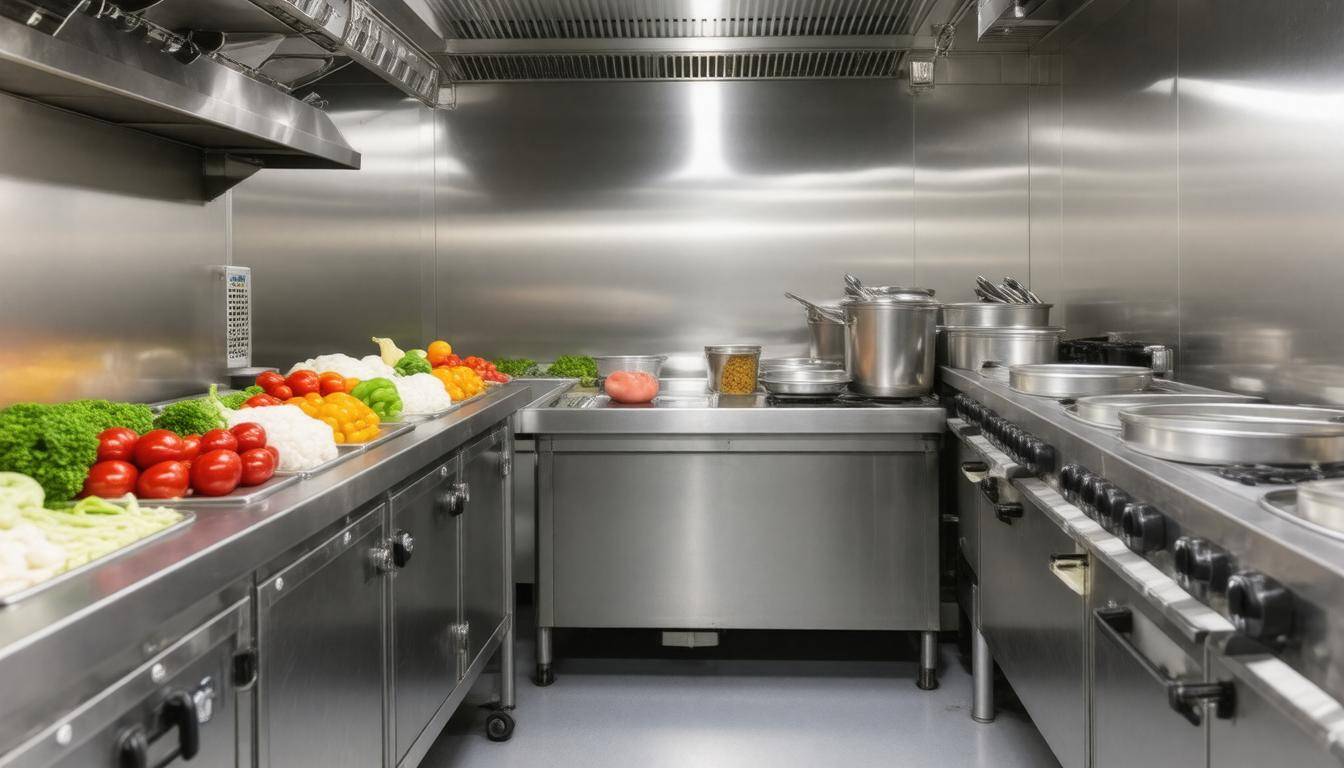
When designing your food truck kitchen layout, think of each area as a roadmap that guides you through efficient food preparation without losing focus on hygiene. The key is creating designated zones that help prevent cross-contamination and streamline operations. Imagine walking into your food truck and seeing everything neatly arranged; this creates an inviting atmosphere for employees and ensures they can work efficiently while adhering to proper sanitation practices.
Start by clearly marking out specific areas for cooking, prepping, and cleaning. This demarcation is not just aesthetic; it plays a crucial role in preventing cross-contamination. When raw proteins are prepped in one area, have all the necessary utensils, cutting boards, and plates readily available to maintain separation from other foods.
Next, consider the placement of handwashing stations. Position them near food prep areas but separate from cooking zones to promote regular handwashing without interrupting meal production. It’s essential to create an environment where staff feel encouraged to wash their hands frequently, especially after handling any raw ingredients.
Storing raw and cooked foods separately is equally critical. Utilizing clearly labeled storage bins minimizes confusion and drastically reduces the risk of cross-contamination. Employees should know where each item belongs—raw chicken goes in one bin, grilled vegetables in another—creating a system that enhances both safety and efficiency.
Now, let’s move on to two often-overlooked elements that significantly contribute to kitchen hygiene: lighting and ventilation.
Adequate lighting is more than just a convenience; it's essential for maintaining cleanliness in your food truck kitchen. Good lighting helps employees easily spot dirt or spills that need attention before they become bigger issues. Dark corners or shadowy spots can serve as hiding places for germs, so make sure your workspace is well-lit from every angle.
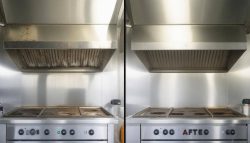
Similarly, powerful ventilation systems are paramount in ensuring a safe working environment. Hood systems serviced by CleanHoodPros are designed to extract grease-laden air effectively. Efficient hood cleaning minimizes respiratory hazards associated with inhaling grease particles while also complying with health regulations focusing on air quality.
Together, these two features—optimal lighting and effective ventilation—ensure your food truck operates smoothly while maintaining high standards of hygiene. Creating a clean work environment builds trust with your customers, signaling that you care about their safety as much as the food you prepare.
With these foundational elements already in place, we can now explore the various products essential for upholding those cleanliness standards.
When it comes to maintaining a spotless food truck kitchen, the choice of cleaning products is paramount. Opting for food-safe cleaning solutions eliminates the worry of contamination during meal prep. Degreasers, sanitizing sprays, and non-abrasive scrubbers are essentials that will keep your space clean and safe for food preparation.
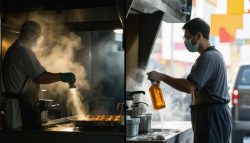
Degreasers work wonders on stubborn grease deposits, especially on stovetops and grills where oil tends to linger after service. A high-quality degreaser can effectively cut through grime, ensuring that your cooking surfaces are not only clean but ready for action.
Just as important are sanitizers; they are key players in maintaining food safety. After slicing vegetables on a cutting board or prepping meat, a thorough spray with a reliable sanitizer can help eradicate any bacteria present. It's essential to select products rated for food contact surfaces—this ensures every bite you serve remains uncontaminated.
Don't forget about non-abrasive scrubbers. These may seem small, but they pack a punch when protecting delicate surfaces like stainless steel. Using abrasive materials can leave scratches and imperfections that not only look unappealing but can harbor bacteria over time.
As you explore your cleaning options, remember that different surfaces require tailored approaches.
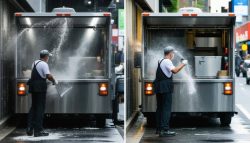
For example, all-purpose cleaners can be fantastic for countertops; however, when it comes to areas that directly contact food, such as chopping boards or preparation tables, alcohol-based sanitizers serve as a more suitable option due to their quick-drying and disinfecting properties. High-temperature steam cleaners are another excellent choice for deep-cleaning floors and hard-to-reach spots within your truck. They act as an eco-friendly alternative to chemical cleaners, offering powerful sanitization without harmful residues.
The cleanliness of your food truck kitchen plays a direct role in the quality of the meals you serve. By carefully selecting cleaning products specific to each surface’s needs and adhering to strict hygiene standards, you'll ensure success while fostering a healthy environment.
Having established the importance of proper cleaning products, we now turn our attention to how best to care for the utensils and appliances that make your food truck operate smoothly.
Proper maintenance of utensils and appliances is essential for ensuring cleanliness in a food truck kitchen; it’s about prolonging the life of your investment. Imagine pulling out a worn-out spatula or a malfunctioning grill during a busy service rush—it’s simply not an option. Each utensil should be treated like an ally in your culinary mission, meaning taking care of them from the moment they join your kitchen.
Establishing daily maintenance routines will set the tone for operational success. For instance, washing and sanitizing kitchen tools immediately after use is vital to prevent lingering food residues that can harbor harmful bacteria. After each day of service, visualize the kitchen as a team with individual contributors—each piece needs its moment of care.
Here are some practical steps to ensure your utensils and appliances remain in top shape:
Disassemble complex appliances: After service, take time to disassemble tools like blenders or mixers. These parts harbor food residue in crevices often overlooked; thorough cleaning ensures these appliances function safely.
Conduct weekly deep cleans: Every week, soak removable parts in a bleach solution—this helps sanitize them thoroughly and removes grease buildup that may not surface during routine cleaning. A mix of one tablespoon of unscented liquid chlorine bleach per gallon of water works wonders on stubborn stains.
Every food truck owner knows that certain items see heavy use—grills, fryers, and cutting boards carry much of the culinary burden. It’s crucial to maintain these high-use items according to specific manufacturer guidelines; they know what works best for their products. Regular upkeep helps avoid problems before they arise.
Additionally, venting systems require special attention too. Grease buildup can sneak in unnoticed but should never be ignored. This is where engaging professional servicing becomes indispensable. Hood cleaning services—like those offered by Clean Hood Pros—can take this chore off your plate, ensuring proper ventilation while you focus on cooking delicious meals for your customers.
By emphasizing these maintenance steps, you safeguard the efficiency and longevity of your kitchen operations, setting the stage for discussions on best practices for keeping food safe as you prepare it for your customers.
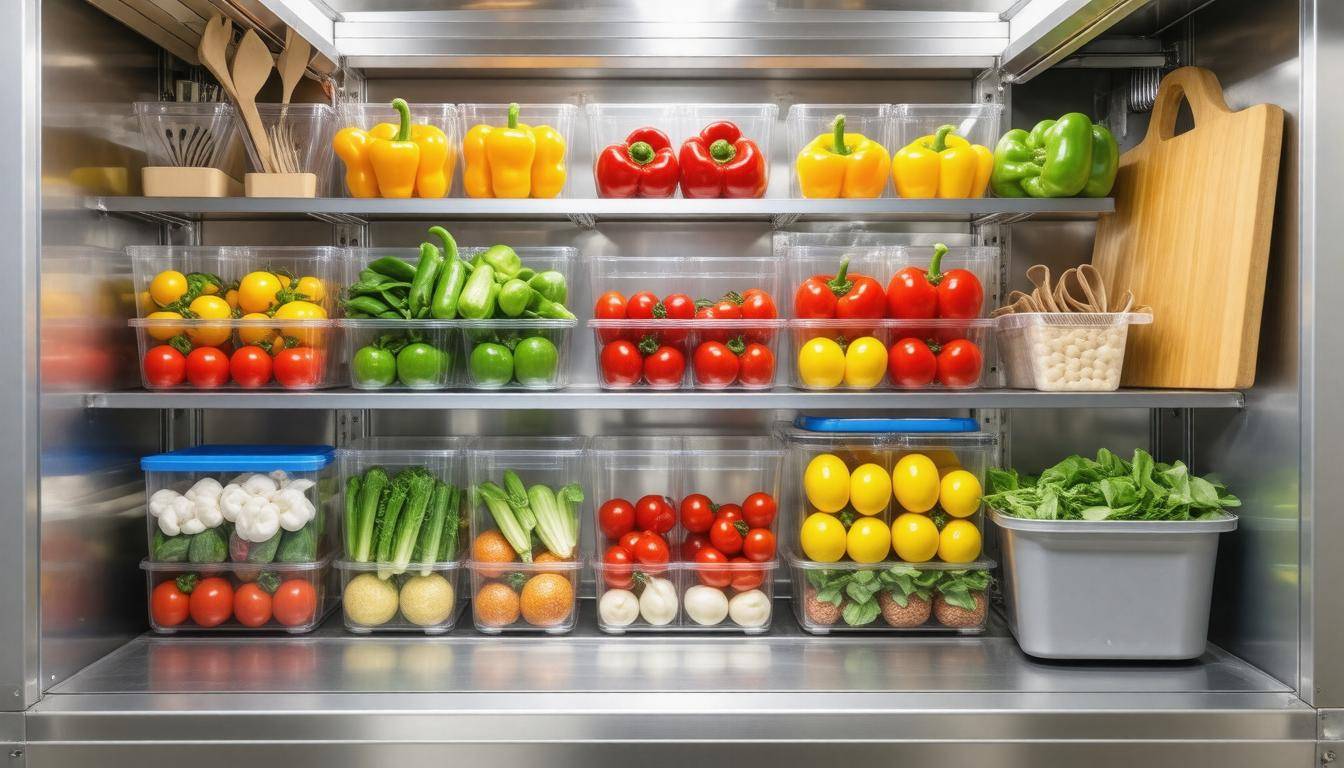
Storing food correctly is fundamental for maintaining a clean and safe food truck kitchen. When food isn't stored properly, the risks skyrocket—not just for spoiled ingredients but also for foodborne illnesses that can arise from improper handling. A well-organized food storage system establishes the foundation for a successful food truck operation, emphasizing safety and efficiency.
Maintaining the appropriate refrigeration temperature is vital in minimizing the risk of foodborne diseases. According to the FDA, perishable items need to be kept at 40°F (4°C) or below, which dramatically reduces bacterial growth. To ensure compliance with these guidelines, always equip your fridge with accurate thermometers to monitor temperatures consistently. Remember to check these regularly, as even minor fluctuations can lead to spoilage.
More than just monitoring temperatures, having a clear understanding of how long various food items should remain in refrigeration is key too. For example, cooked foods shouldn’t sit longer than three to four days—mark containers with dates to avoid guesswork.
The next step in ensuring safe food storage is the segregation of foods—a simple yet effective safeguard against cross-contamination. Always store raw meats and seafood on lower shelves; this precaution prevents their juices from contaminating other foods below. Did you know that even a small amount of raw meat juices can lead to serious health risks? Following this practice not only promotes hygiene but also helps maintain quality across all your ingredients.
Additionally, utilize dedicated bins for allergens or special dietary foods to keep them separated from others. Labeling these bins prominently can help ensure that any staff serving or preparing meals are fully aware of what’s stored inside while maximizing accountability.
Equally important is the rotation of stock. Implement the First-In, First-Out (FIFO) method, which ensures that older products are utilized before newer ones. This simple technique not only prevents waste but also guarantees freshness in every dish served from your food truck. Make it a habit to label and date all containers and bins; transparency in inventory management allows for easier tracking and enhances organizational efficiency.
Lastly, don’t forget about cleaning! Regularly inspect your storage zones to eliminate potential pest habitats or sources of mold. Even if you’re diligent about temperature control and segregation, failing to maintain cleanliness can undermine all your efforts. Incorporating these practices fosters an environment where safety becomes second nature—essential for building trust among your customers.
Having established essential practices for safe food storage, it's now time to consider how proper training and awareness among the team can further reinforce these hygiene standards in daily operations.
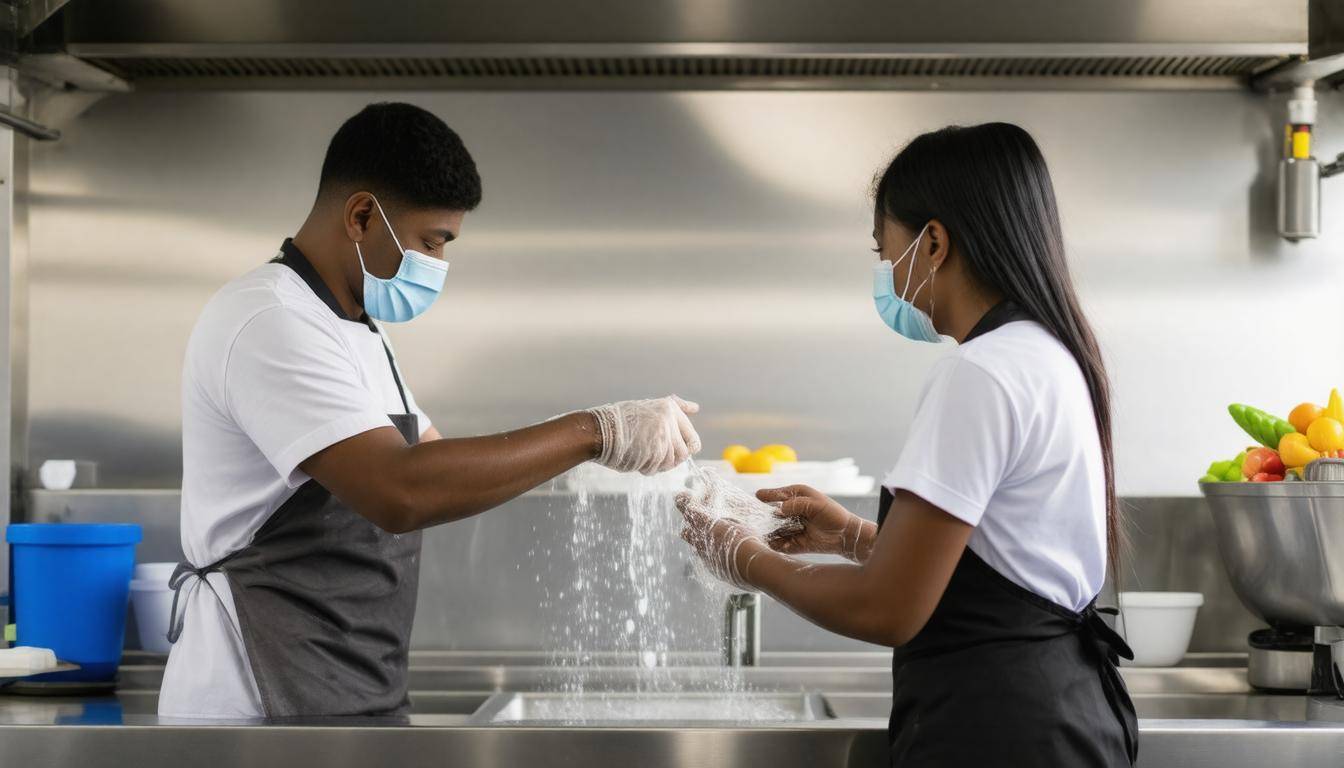
Training your staff on hygiene is not just beneficial; it's essential. A clean food truck isn’t simply about customers seeing shiny surfaces and spotless utensils—it’s about creating a culture of cleanliness. My own experience has shown that when staff members are trained effectively, maintaining high hygiene standards becomes second nature for them. It’s like instilling a habit; soon enough, they’ll be performing cleanliness practices without even thinking about it.
To start, you should schedule regular training sessions to keep everyone familiar with hygiene practices and safety protocols. This could mean holding meetings once a month or as often as needed, especially when new regulations are put into effect, like those from the recent updates in food service rules under the 2022 FDA Food Code. Make these sessions interactive! Utilize role-playing scenarios that simulate different situations like managing food allergens, dealing with spills, or handling raw foods versus cooked foods. Engaging your staff with real-life situations fosters better understanding and retention of information.
But simply holding one session isn't enough; consistency is key.
Next, you must emphasize the importance of hand hygiene. In my experience running a food truck, I’ve seen how crucial handwashing is in preventing cross-contamination and foodborne illnesses. Implement policies that require mandatory handwashing before and after handling food. Provide ample supplies of soap, hand sanitizers, and disposable gloves readily available throughout the kitchen area.
Visual reminders such as signs or stickers reminding your team to wash their hands can act as great reinforcement tools, serving as ongoing nudges to stay vigilant about hygiene.
One specific technique I’ve found effective is to make “glove stations” at various points within the food preparation area. What’s great about this approach is that it creates a visual cue that encourages compliance; staff see the gloves and remember their purpose while they work in the fast-paced environment of a food truck.
Furthermore, there's value in extending hygiene training beyond merely washing hands.
For instance, encouraging your team to notice when exhaust hoods need cleaning can play an invaluable part in maintaining overall kitchen cleanliness. As shared by professional hood cleaning experts at Clean Hood Pros, keeping hoods clean prevents grease buildup and minimizes fire hazards while ensuring proper ventilation during cooking operations—both critical factors for any mobile food establishment operating under the latest guidelines issued for mobile services.
By cultivating an environment where quality training is prioritized—combined with visual cues and hands-on engagement—you lay down the foundation for a safe and hygienic food truck kitchen that not only meets regulations but also builds trust with your customers.
With a strong focus on hygiene practices in place, it's equally important to understand the proper methods for waste management and the disposal of materials that can affect the cleanliness and safety of your kitchen. Let's explore how to handle those aspects effectively.
Proper disposal isn't just a matter of cleanliness; it's crucial for operational efficiency and public health. When running a food truck, waste segregation plays a key role in maintaining a clean kitchen. You'll produce various types of waste from delicious meals, and managing this effectively is essential.
Start by separating organic waste from recyclables. It may sound simple, but having color-coded bins for different types of waste can make all the difference.
For instance, green bins can be designated for food scraps while blue bins can hold recyclable materials such as paper and plastic. This not only simplifies segregation but also makes it easier to train staff on responsible waste management.
Keep the bins clearly labeled—remember, visible reminders can significantly decrease errors in disposal.
Now let's move on to another critical aspect: oil disposal.
A case I encountered involved a local food truck operator in Austin who learned about the serious consequences of improper oil disposal the hard way. After improperly disposing of used cooking oil, they faced hefty fines that dented their budget and tarnished their reputation.
To avoid such mishaps, always utilize designated oil disposal services that specialize in grease collection.
It's essential to recognize that these specialized services ensure that used cooking oil is either recycled or disposed of correctly, preventing environmental hazards and potential legal issues.
Once you've set up oil disposal protocols, it's time to establish consistency through regular pickup schedules.
Establishing regular waste and oil pickup schedules is vital to keeping your kitchen free from clutter and odors that could attract pests. Think about it: a clean workspace starts with accountability. By scheduling pickups at least weekly or biweekly for used oil, you maintain an organized environment conducive to baking fresh dishes without hesitation.
Moreover, pay careful attention to cleanliness around disposal areas; keeping them spotless is key to averting pest infestations which can lead to more significant problems down the line. A clean kitchen reflects your dedication to quality and customer satisfaction—it shows you care.
| Type of Waste | Disposal Method | Frequency |
|---|---|---|
| Organic | Composting | Daily |
| Recyclables | Recycling bins | Daily |
| Used oil | Disposal service | Weekly/Biweekly |
By adhering to these guidelines and utilizing appropriate disposal methods, you're enhancing the sanitation of your food truck kitchen while protecting your community from pollution and foodborne illnesses.
Ultimately, maintaining hygiene in your food truck kitchen is paramount for both compliance and customer satisfaction. Adopting these practices not only safeguards your operation but also builds trust with your patrons.