
Keeping a commercial kitchen running smoothly means paying attention to details that often go unnoticed—like the exhaust hood. While it’s easy to focus on cooking and serving, the kitchen hood quietly works behind the scenes, catching smoke and grease that can quickly turn into serious problems if ignored. This guide breaks down exactly how to clean your hood the right way so you don’t have to worry about fire risks, poor air quality, or unexpected equipment breakdowns. Let’s walk through everything you need to know for a safer, healthier kitchen environment. The page you are reading focuses on both the practical and safety aspects of hood maintenance, ensuring that you have a complete understanding tailored to your business needs as our valued customers.
The optimal hood cleaning process involves a thorough inspection followed by careful disassembly of all hood components such as grease containment systems, filters, fans, and ducts. Next, using eco-friendly high-strength degreasers combined with pressure washing and manual scrubbing, all grease and residue are removed before rinsing with hot water and drying completely to prevent rust, then reassembling and performing a final inspection to ensure safety, compliance with NFPA standards, and peak operational efficiency.
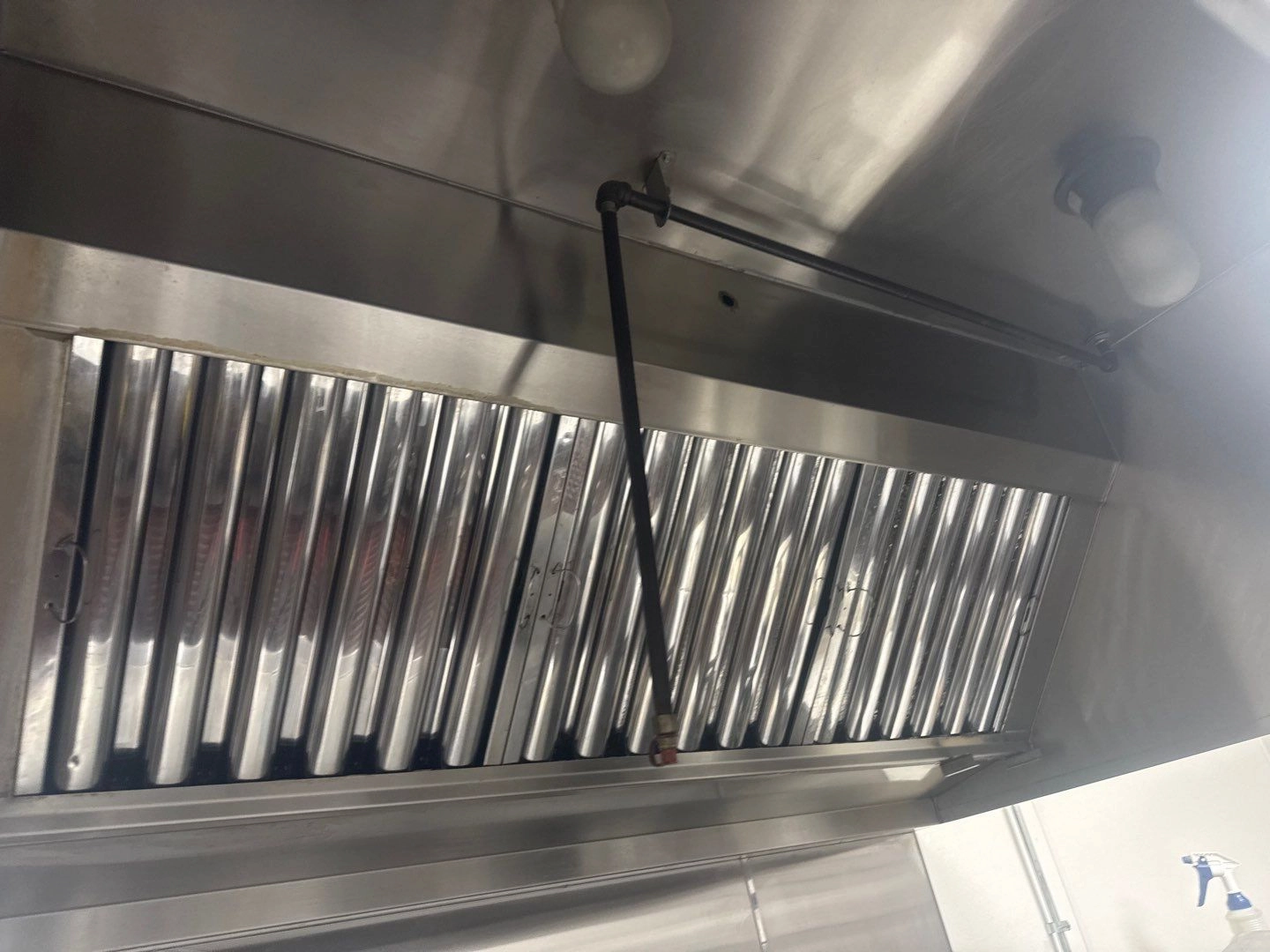
Grease buildup in kitchen exhaust hoods isn't just an unsightly problem—it’s a serious fire hazard. When grease accumulates inside the hood, ducts, and fans, it creates a highly flammable layer that ignites with surprising ease. Fires fueled by kitchen grease can reach scorching temperatures upwards of 1,000 degrees Fahrenheit, causing catastrophic damage before anyone can react.
This isn’t just a “what if” scenario—according to the National Fire Protection Association (NFPA), nearly 22% of restaurant fires originate from cooking equipment issues related to grease buildup. Your experience as a customer is integral to understanding the importance of maintaining clean and safe kitchen environments.
But safety is only part of the story. A dirty hood system restricts makeup airflow, reducing ventilation efficiency and trapping heat and smoke inside the kitchen. This leads to poor air quality that directly impacts the health and comfort of your staff.
Breathing in accumulated smoke and grease particulates day after day takes a toll, affecting productivity and well-being. Proper maintenance removes these pollutants, creating an environment where chefs and kitchen teams can focus on their craft without worrying about suffocating conditions or slipping hazards caused by grease drips.
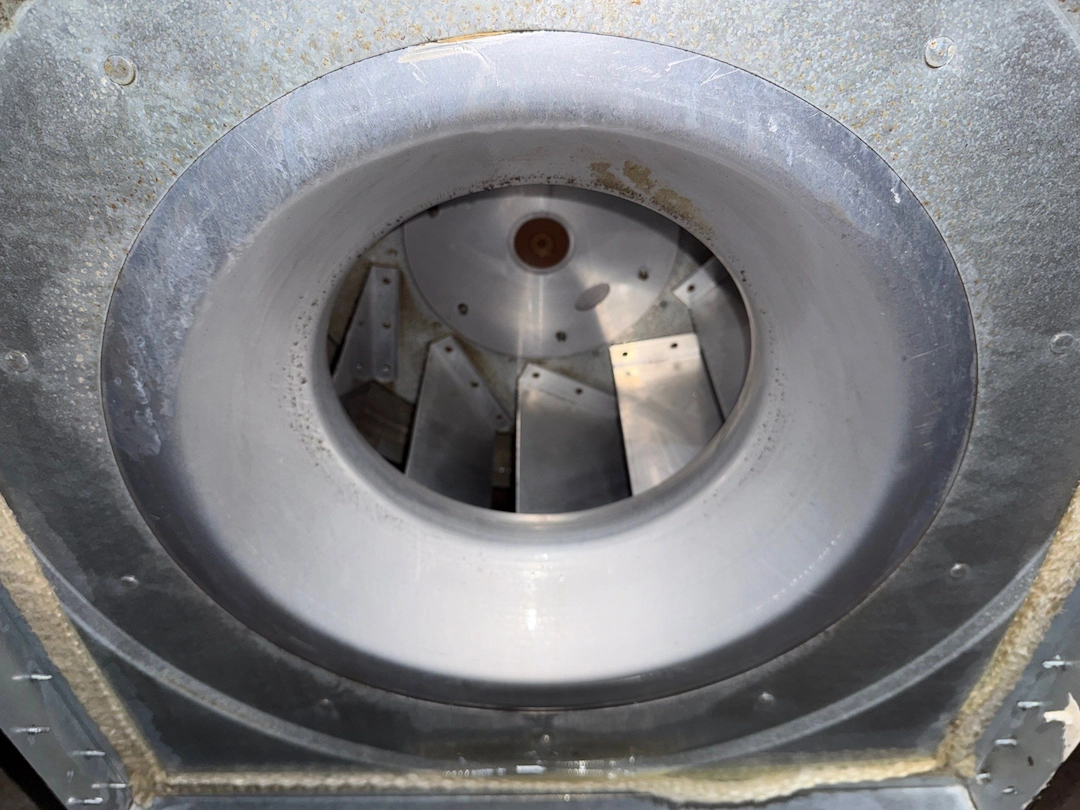
The cleaning process also preserves the longevity of your equipment. Over time, grease and grime can corrode metal components such as fans, belts, hinges, and filters.
Neglecting regular cleaning leads to costly repairs or replacements, disrupting kitchen operations when downtime is least affordable. Scheduled professional cleanings ensure every part—from visible panels to hidden duct work—is thoroughly inspected and restored, preventing premature wear and maintaining optimal performance.
At Clean Hood Pros, our team follows rigorous industry standards—including NFPA 96 guidelines—to deliver comprehensive cleaning services designed specifically for commercial kitchens in Arizona. Our sanitation practices ensure that every component of the hood system, including critical grease containment systems, is spotless and functional.
Using advanced eco-friendly degreasers and specialized tools, we remove stubborn grease safely while protecting your equipment and the environment. Our inspections catch potential issues early, helping you avoid unexpected fires or violations of your business from health and safety inspectors.
Benefit Impact
| Fire Hazard Reduction | Minimizes risk of devastating grease fires |
| Improved Air Quality | Removes smoke and harmful particulates |
| Equipment Longevity | Prevents corrosion and mechanical failure |
| Regulatory Compliance | Ensures passing health & fire inspections |
| Operational Efficiency | Maintains consistent ventilation performance |
Understanding these critical benefits sets the stage for a detailed look at how professional cleaning unfolds step-by-step. Next, we explore the preparatory measures necessary to ensure an effective hood cleaning service tailored for your kitchen’s unique needs, enhancing your experience and satisfaction. Preparation is the backbone of efficient hood cleaning. Before any scrubbing or degreasing begins, it’s essential to coordinate with your kitchen team. Letting staff know ahead of time about the scheduled cleaning is more than courtesy—it’s a way to prevent unexpected disruptions during busy hours. It’s crucial for a company to communicate effectively with their team and clients by addressing any questions they might have beforehand regarding the cleaning process.
Scheduling this during off-peak times, perhaps late nights or early mornings, ensures that business operations continue unhindered while giving cleaners full access to the equipment, allowing things to proceed smoothly without interruption.
After setting the schedule and alerting your team, establishing a controlled cleaning environment is critical to protect other kitchen areas from damage or contamination. Positive reviews from past clients show the importance of thorough preparation and how it contributes significantly to customer satisfaction.
Containing the mess is no small task when dealing with grease and grime buildup in exhaust systems. Professional cleaners use tarps and plastic sheeting extensively to cover countertops, floors, and appliances around the hood and duct work.
This careful isolation not only prevents sticky grease splatters from settling on your expensive kitchen gear but also eases cleanup after the job. It’s a practical step that underscores how thorough preparation shields your kitchen’s daily functionality with grease containment systems.
Once containment measures are in place, safety protocols become the priority before actual cleaning can commence.
Disconnecting electrical components linked to fans, motors, lights, and sensors is not optional—it’s mandatory for safe service. This prevents accidental shocks and safeguards equipment from water damage during pressure washing or steam cleaning.
Equally vital is temporarily disabling fire suppression systems connected to the hood. These alarms could otherwise activate amid cleaning chemicals and debris, causing false alarms or worse—a costly system malfunction.
Taking these precautions secures both personnel and property, setting a responsible professional tone for the entire operation.
“An ounce of prevention is worth a pound of cure.”—Benjamin Franklin
Preparing properly might not be glamorous, but it’s the difference between a quick job and one that drags on with complications. Thorough preparation is an essential ingredient that ensures smooth operations, maintaining the safety and efficiency of your kitchen environment.
If you want expert assistance with commercial kitchen hood cleaning in Arizona, Clean Hood Pros offers reliable scheduling and meticulous preparation to keep your kitchen running safely at peak performance. Call (480) 690-3487 or visit CleanHoodPros.com to get started today. Their commitment to excellence is reflected in client reviews, which consistently praise their attention to detail and effectiveness.
With a well-prepared workspace and safety measures firmly in place, we can now explore the detailed steps involved in the actual cleaning process, revealing how each stage contributes to optimal hygiene and fire safety.
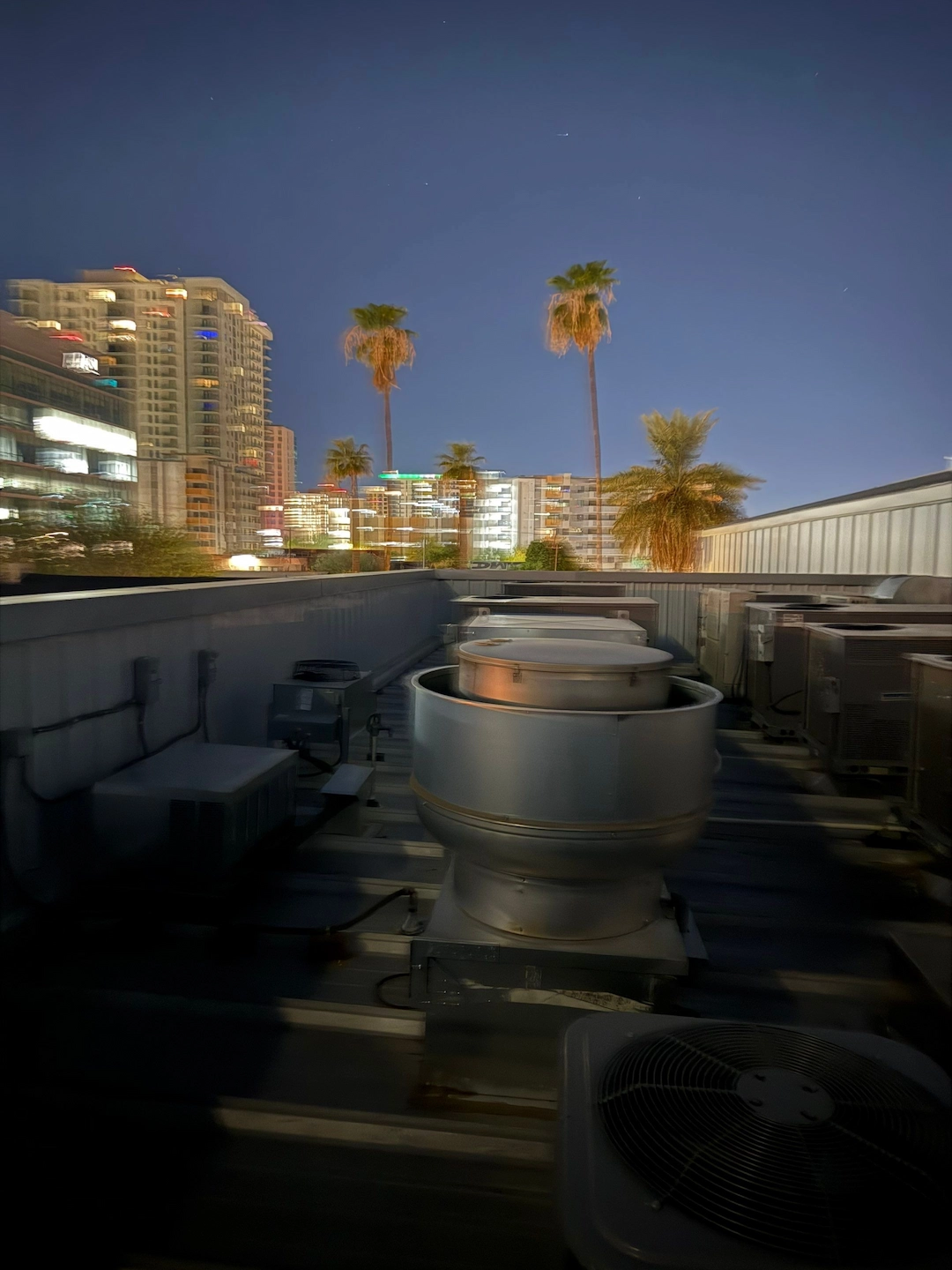
The first thing we do is conduct a thorough initial inspection of the entire hood and exhaust system. This isn’t just a quick look; we’re searching for stubborn grease buildup in hidden corners, signs of wear or damage to components like filters or fans, and areas where grime tends to accumulate hardest. Identifying these trouble spots upfront ensures that no greasy nook is overlooked during cleaning. It sets the tone for an efficient and effective deep clean.
Once we know exactly what we’re working with, the next logical step is to take the hood apart carefully.
Dismantling the components is essential because every removable part—the filters, grease traps, access panels—needs individual attention. By separating these pieces, we can clean them thoroughly in ways that wouldn’t be possible if left installed.
For example, filters can be soaked and scrubbed away from their fixed positions, preventing damage while allowing grease to break down efficiently. Removing parts also gives us better access to the duct work and fan assemblies, which are common hotspots for dangerous grease deposits. This thorough approach to cleaning is essential not only for the safety of the equipment but also for meeting the specific requirements of rigorous cleanliness standards set for commercial properties.
With everything disassembled, the real cleaning gets underway through targeted application of specialized agents. These efforts are sometimes complemented by professional pressure washing services that specialize in cleaning properties to ensure comprehensive results.
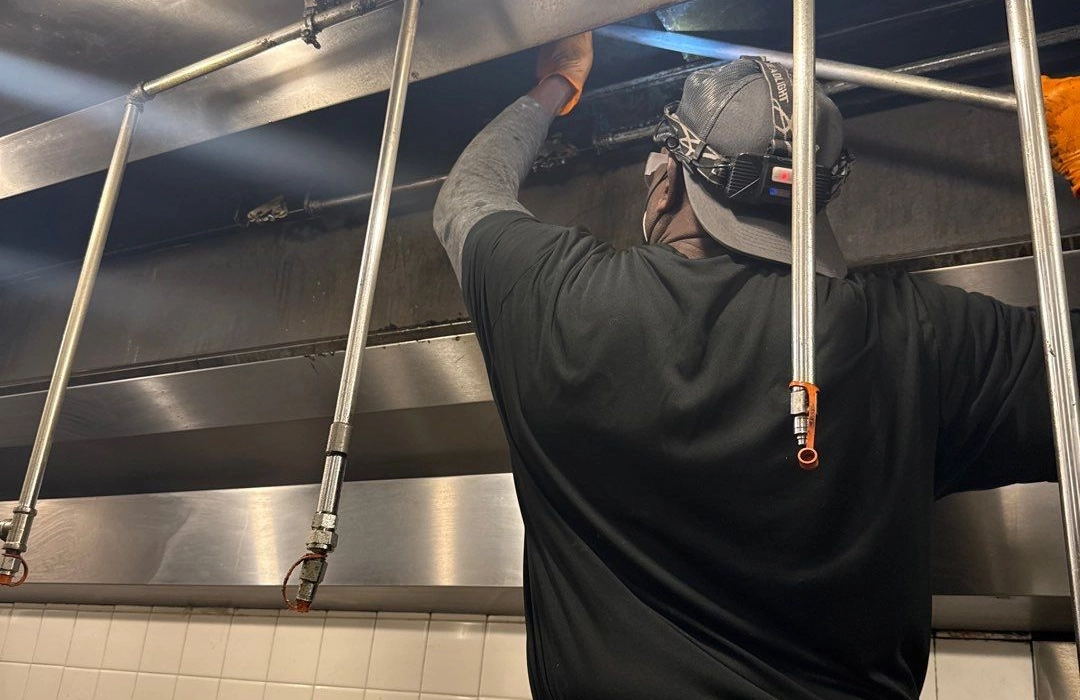
We apply a high-strength biodegradable degreaser liberally across all surfaces—the interior walls of the hood, duct work, fan blades, and exterior shells. This eco-friendly agent penetrates grease on contact but does so without harming your equipment or the environment. For an accurate estimate of what cleaning services are necessary, it's important to consider the unique setup and requirements of each kitchen's exhaust system.
Pre-soaking these components allows the stubborn grease layers to soften, making them easier to remove in subsequent steps. It ensures a deeper clean than simple surface wiping could ever achieve, addressing the needs of people who manage busy commercial kitchens and prioritize safety and efficiency.
While the degreaser works its magic soaking in, preparation for manual removal begins.
Next comes scrubbing and washing, which requires both expertise and some elbow grease. Using specialized brushes designed to reach tight angles along with scrapers for stuck-on grime, each piece is meticulously worked over by hand, making certain all areas meet strict cleanliness requirements.
Power washing with hot water complements this manual effort—blasting away loosened debris efficiently without harming delicate parts. This two-pronged approach tackles even heavy buildup inside ducts and on fan motors, where grease can pose serious fire risks if left unchecked.
After thoroughly agitating and lifting the grime, it’s vital to clear away all chemical residues.
We proceed with rinsing and drying, using clean hot water to flush out any remaining degreasers or loosened particles.
Residues can cause corrosion or attract new dirt if left behind, so this step plays a critical role in maintaining equipment longevity. We don’t take shortcuts here—each component is dried completely with absorbent towels or air blowers before being reinstalled.
Moisture trapped inside metal parts invites rust and degradation, threatening future performance.
Finally, it’s time to restore everything back to working order with a sharp eye on detail.
During reassembly, every filter and trap slides back precisely into place, hinges tighten smoothly, belts adjust correctly—ensuring your hood system operates as safely and efficiently as possible.
A final inspection follows closely—checking for leftover cleaning solution, making sure all components sit securely, confirming fans spin freely without obstruction. This last look guarantees your kitchen exhaust system is ready not only for compliance inspections but also for peak everyday operation.
Regular thorough maintenance like this, done by professionals, not only prevents costly repairs but significantly reduces fire hazards in your commercial kitchen. To learn more about how Clean Hood Pros delivers expert hood cleaning services across Greater Phoenix with certified safety standards and eco-friendly methods, visit CleanHoodPros.com or call (480) 690-3487 for a free quote today. They understand the particular requirements of diverse properties and offer accurate estimates tailored to your specific needs.
Mastery of this process relies heavily on having the right tools at hand—precise instruments designed to tackle every layer of buildup effectively. Moving forward, understanding these essential tools will further clarify how top-tier cleaning results are achieved consistently.
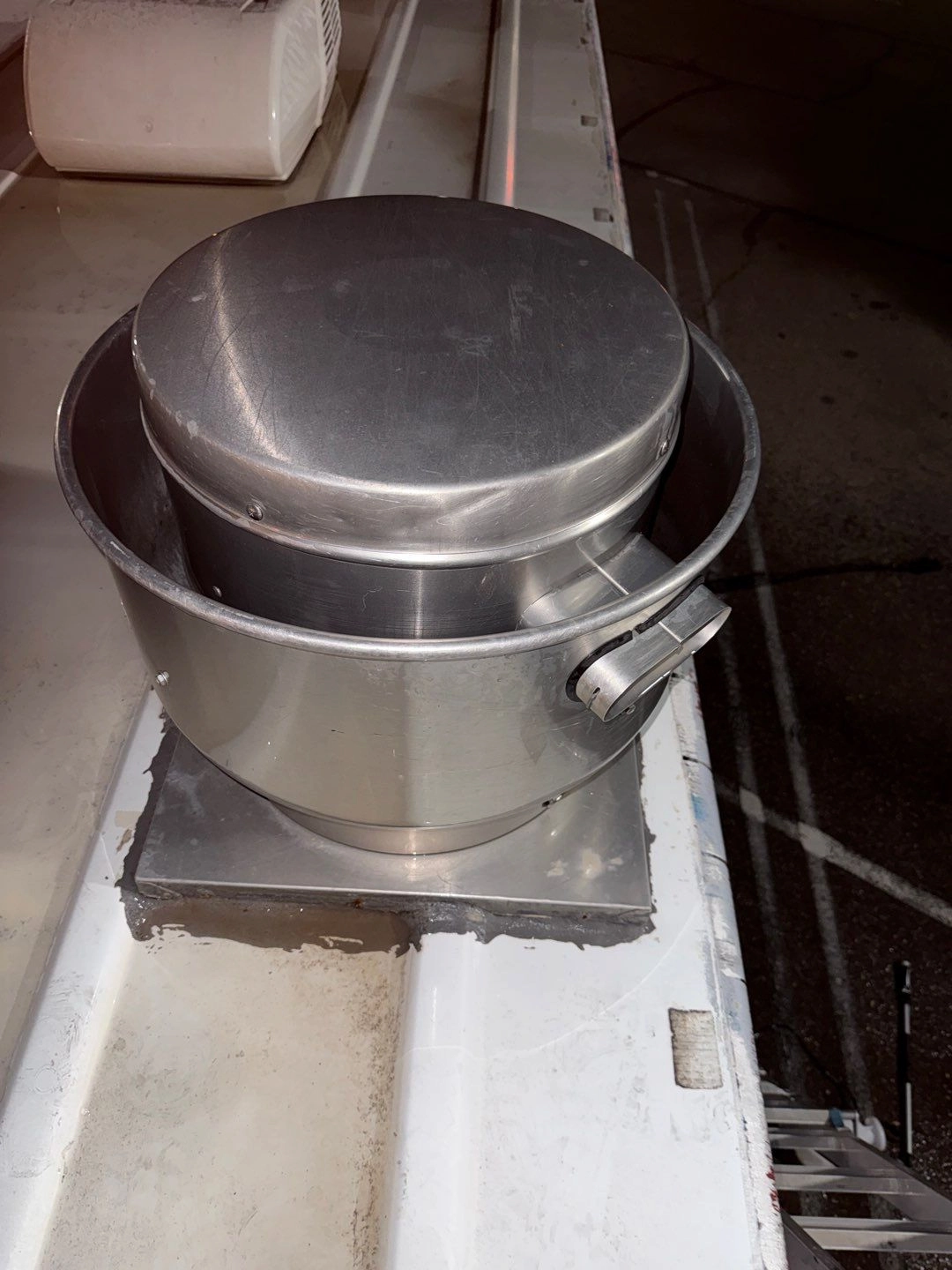
The first step in professional hood cleaning is choosing the proper equipment to tackle the stubborn grease and grime that accumulate inside commercial kitchen exhaust systems. High-strength degreasers are your essential ally here, specially formulated to break down thick layers of grease without damaging metal surfaces or leaving harmful residues behind. Employing a combination of manual scrubbing and professional pressure washing services, the people responsible for maintaining these systems can ensure their peak functionality and compliance with health and safety standards. These eco-friendly, biodegradable solutions not only loosen buildup but also reduce environmental impact—a win-win for kitchens aiming to maintain safety and sustainability. The value of these solutions extends beyond environmental benefits, as they contribute to the overall cleanliness and functionality of your kitchen space without adding a hefty price.
Alongside these powerful chemicals come specialized brushes designed specifically for kitchen exhaust systems. Their varied shapes and sizes allow you to reach every nook and cranny—whether it’s the narrow ducts, tight corners around fans and motors, or inside filters. These brushes act as the meticulous fingertips of any cleaning technician, ensuring no hidden crevice is left untreated, enhancing the value of your investment in the cleaning process.
Complementing manual scrubbing is the use of a pressure washer. This tool elevates the cleaning process by forcing water at high pressures to dislodge residual grease that even strong degreasers and brushes might miss. However, it requires skillful control because improper use can damage delicate components or cause water intrusion where it shouldn’t be. This makes protective preparations essential, adding to the overall price of the equipment setup but ensuring the task is completed safely and effectively.
That’s exactly where plastic sheeting and tarps enter the picture—they form protective barriers around cooking equipment, floors, walls, and nearby electrical fixtures. When draped carefully and secured well, they prevent splashes of water, chemicals, or loosened grease from causing collateral damage during cleaning. For commercial kitchens, this containment keeps operations safer and reduces costly post-cleanup labor on areas outside the hood, proving their value in the cleaning process.
And last but certainly not least in this list is personal protective equipment (PPE). Cleaning a commercial kitchen hood involves exposure to chemical agents, airborne particulates like soot and grease dust, and potential slips on wet surfaces. PPE, including gloves resistant to solvents, eye protection against splashes, durable coveralls, and respirators when necessary, forms an invisible but critical shield for technicians’ health and safety, justifying their price for the protection they offer.
In practice, these tools work together harmoniously: degreasers soften grime; brushes agitate hard-to-reach zones; pressure washers rinse away residue; protective coverings safeguard surroundings; and PPE ensures a safe working environment. The absence or failure of any one piece diminishes both the cleanliness achieved and worker safety maintained, underscoring the value of a comprehensive approach.
Investing in high-quality equipment limits risks associated with fire hazards caused by leftover grease deposits—a core concern Clean Hood Pros addresses by meeting strict NFPA 96 compliance standards. While the initial price of such an investment might seem significant, its long-term benefits and peace of mind offer immense value.
Mastery over these essential tools ultimately sets the stage for a flawless cleaning process that extends equipment longevity while keeping your commercial kitchen a safe place to cook and serve. Next, we turn our attention to the meticulous task of treating both interior and exterior surfaces to complete the comprehensive cleaning routine.
The interior of the kitchen hood is where grease, smoke, and cooking residues accumulate most heavily. This area demands serious attention because buildup not only impairs ventilation efficiency but also poses a major fire hazard. To combat this, a professional-grade degreaser designed specifically for heavy grease must be applied. These powerful cleaners penetrate thick layers of oily residues that regular household cleaners simply cannot dissolve, and their value lies in their superior cleaning capabilities, though their price may reflect their effectiveness and specialized formulation.
The interior of the kitchen hood is where grease, smoke, and cooking residues accumulate most heavily. This area demands serious attention because buildup not only impairs ventilation efficiency but also poses a major fire hazard. To combat this, a professional-grade degreaser designed specifically for heavy grease must be applied. These powerful cleaners penetrate thick layers of oily residues that regular household cleaners simply cannot dissolve. Once applied, skilled manual scrubbing is crucial—specialized brushes and scraping tools ensure even stubborn stains are lifted from all surfaces and crevices inside the hood.
After scrubbing, a thorough rinse with hot water follows. Hot water isn’t just for cleanliness—it plays an important role in dissolving leftover degreasers and suspended grease particles, preventing the quick return of grime. Additionally, drying the area properly helps inhibit corrosion and rust on metal parts. At Clean Hood Pros, we emphasize these steps carefully to ensure no residue compromises performance or safety.
While internal cleaning is critical, the exterior surfaces also require methodical care, though their needs differ.
Exterior surfaces form the visible face of your kitchen’s ventilation system and contribute significantly to overall hygiene impressions in commercial kitchens. These areas tend to collect greasy fingerprints, dust, and occasional splatters from food preparation. To protect and preserve finishes—whether stainless steel, painted metal, or coated panels—it’s essential to use milder cleaning agents that remove surface dirt without causing abrasion or fading.
A gentle, non-caustic cleaner combined with soft cloths or microfiber towels is ideal here. Regular wipe-downs keep grime from hardening into stubborn spots which otherwise require more aggressive treatment later on. This practice not only maintains a professional appearance but also reduces odors associated with grease buildup in corners and edges.
Incorporate exterior surface cleaning into daily kitchen maintenance routines; wiping down hoods after busy service hours prevents excessive accumulation that turns weekend deep cleans into daunting tasks.
Beyond aesthetics, routine cleaning of external components like control panels, hinges, and seams supports operational longevity by preventing sticky buildup that could impair function or trap moisture, leading to corrosion.
“Consistent maintenance of both interior and exterior hood surfaces directly correlates with improved air quality and fire safety,” notes Clean Hood Pros' certified technicians who follow NFPA 96 guidelines, meticulously ensuring every surface gets proper attention during each service call.
Establishing a schedule that balances frequent light cleanings with periodic intensive scrubbing optimizes your hood’s condition while minimizing downtime for your commercial kitchen.
By applying a systematic approach to both internal grime removal and gentle external upkeep using appropriate products and techniques, you can maintain a safer environment that meets regulatory standards comfortably without sacrificing elegance or durability.
Understanding the detailed cleaning process lays the groundwork for effective ongoing care; rightly scheduling these routines ensures your exhaust system stays efficient and compliant through every busy season.
Keeping your commercial kitchen’s hood system in top shape isn't just about occasional deep cleans. It requires a ***dedicated maintenance routine*** rooted in regular inspections and timely cleaning intervals. This ongoing care prevents grease buildup, reduces fire hazards, and extends the life of your equipment.
The first step is developing a habit of ***regular inspections***. Ideally, aim for monthly check-ups where you or a trusted professional examine key components like filters, fans, belts, and duct work for early signs of wear or excessive grease deposits. Catching problems early saves time and money by stopping minor issues from evolving into costly repairs or safety concerns.
But how often should you actually schedule thorough cleanings? That depends largely on your kitchen’s activity level.
For high-volume kitchens—think bustling restaurants or large institutional facilities—grease can accumulate quickly, making ***quarterly cleanings essential***. In slower-paced environments, ***bi-annual cleanings suffice***, keeping everything running safely without unnecessary disruption. The important takeaway is to always cross-check your cleaning frequency against manufacturer guidelines and NFPA standards to stay compliant.
Professional cleaning services take this process to the next level. Companies like Clean Hood Pros bring expertise along with specialized tools and eco-friendly degreasers designed to dismantle stubborn deposits throughout the entire exhaust system—not just visible parts. Their trained technicians follow strict protocols ensuring every nook and cranny is spotless while adhering to NFPA 96 guidelines, dramatically reducing fire risks and equipment wear over time.
Key Maintenance Steps: Conduct **monthly inspections** to monitor grease build-up and component condition. - Schedule **thorough cleanings quarterly or bi-annually**, depending on kitchen activity. - Rely on **professional services** for comprehensive, code-compliant maintenance.
Scheduling maintenance ahead of busy seasons or major kitchen renovations helps avoid downtime and surprises. A well-maintained calendar prevents last-minute scrambles when inspectors arrive or operational hiccups occur due to neglected systems.
For peace of mind, sustained performance, and compliance with safety regulations, reach out to Clean Hood Pros for a detailed consultation or to schedule your next professional kitchen exhaust hood cleaning. They’re Arizona’s go-to experts dedicated to keeping your kitchen safe, efficient, and up to code. Call (480) 690-3487 or visit their website for more information.
Regular maintenance paired with professional cleaning ensures not only compliance but also a safer kitchen environment that maintains peak performance over time.


